Conventional Loan Payment Amount
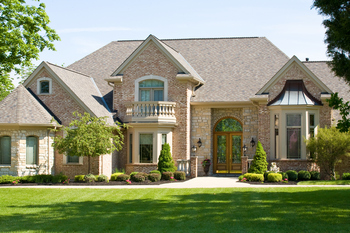 Are you considering a conventional loan but unsure of the down payment requirements? Many homebuyers are curious about how much money they need to put down when purchasing their dream home.
In this article, we will answer the question, "How much down is required for a conventional loan?" and provide you with essential information to make an educated financial decision. For a complete overview, see our conventional loan guide.
Understanding down payment requirements can help you manage finances well and select the most suitable mortgage option for your needs. Read on to learn more about down payment requirements for conventional loans and their impact on your home purchasing process.
Understanding Conventional Loan Options
Conventional loans serve as a popular choice for many homebuyers because of their flexibility and competitive terms. These loans offer various down payment options, making homeownership more accessible to buyers with different financial circumstances.
Generally, the minimum down payment for residential, owner-occupied mortgages is 5% for standard conventional loans. However, both Fannie Mae and Freddie Mac offer specialized loan programs designed to assist low- to moderate-income homebuyers or those refinancing. See our 3% down conventional loan programs guide for low-down-payment options.
Two government-sponsored entities, the Federal National Mortgage Association (Fannie Mae) and the Federal Home Loan Corporation (Freddie Mac), facilitate conventional loans through approved lenders nationwide. Their programs seek to reduce barriers to entry without sacrificing underwriting standards.
Fannie Mae Offers
Fannie Mae provides several attractive options for homebuyers with limited down payment funds:
- Conventional 97 Loan: This program enables qualified borrowers to purchase a home with just a 3% down payment. It is ideal for first-time homebuyers and repeat buyers who wish to conserve cash reserves. Learn more about the Conventional 97 Loan.
- HomeReady Loan: Designed for low- to moderate-income borrowers, this program allows income from non-borrower household members to be included when qualifying. Explore HomeReady Mortgages for eligibility.
These programs are extremely helpful for buyers who may not have years of savings yet maintain a steady income and good credit. They also accept co-borrowers who don't live in the home - such as parents helping adult children - which expands access to credit.
Freddie Mac Offers
Freddie Mac provides excellent options for homebuyers seeking low down payment loans:
- Home Possible Loan: Helps moderate-income families achieve homeownership with affordable down payment options and reduced mortgage insurance costs. See Home Possible Loan guidelines.
- HomeOne Loan: Designed for first-time homebuyers with no income restrictions. Discover the HomeOne Loan if you're buying your first home.
Unlike FHA loans, these programs do not require an upfront mortgage insurance premium, which might significantly reduce closing costs. They also allow higher debt-to-income ratios under certain conditions, giving borrowers with solid income but modest savings greater flexibility.
Key Differences Between Standard and Specialized Conventional Loans
While standard conventional loans may require 5% or more down, the specialized programs (like HomeReady or Conventional 97) operate under unique rules. For example, they frequently require homebuyer education courses or restrict property types to single-family homes or approved condos.
Moreover, these programs may have geographic or income limits - especially in high-cost areas - so it's vital to verify your eligibility early. A qualified loan officer can walk you through the details and help you choose the best way forward.
Determining the Right Down Payment for You
The amount of your down payment greatly affects your mortgage experience and overall homeownership costs. Making the correct choice entails close examination of multiple crucial elements.
Impact on Interest Rates and Monthly Payments
A larger down payment can secure a lower interest rate from lenders, bringing about significant extended savings over the life of the loan. Lenders perceive borrowers with larger down payments as less risky, resulting in better loan terms. Check today's mortgage rates to see how rates impact your payment.
Additionally, a higher down payment lowers the loan amount, resulting in a lower monthly mortgage payment. This decrease can enhance your monthly cash flow and make homeownership more affordable over time.
For example, on a $300,000 home, a 3% down payment ($9,000) results in a $291,000 loan - while a 20% down payment ($60,000) reduces the loan to $240,000. That difference could mean hundreds of dollars less per month in your payment, even before accounting for PMI.
Financial Situation Assessment
When determining your down payment amount, consider your current financial situation and future goals. Assess your savings, income reliability, emergency fund, and long-term plans for the home.
A higher down payment can provide more equity and flexibility should you need to sell or refinance shortly. However, it's essential to maintain adequate cash reserves for moving expenses, home repairs, and unexpected costs.
Draining your savings for a down payment can leave you vulnerable to financial shocks - like a job loss or medical bill. Most financial advisors recommend keeping at least 3–6 months of living expenses in reserve after closing.
Private Mortgage Insurance Considerations
A down payment of 20% or more can potentially eliminate private mortgage insurance. If you put down less than 20, you'll typically pay private mortgage insurance, which increases your monthly payment.
Private mortgage insurance usually ranges from 0.3% to 1.5% of the original loan amount annually. You can learn more about when PMI ends at When Does Private Mortgage Insurance Go Away? For a full comparison of PMI options, see private mortgage insurance types and strategies.
For a $290,000 loan, even a 0.5% PMI rate adds about $120 per month - $1,440 per year. Over five years, that's more than $7,000 in non-equity-building payments. Planning to reach 20% equity faster can help you shed this cost sooner.
Down Payment Assistance Programs
Try exploring payment assistance programs available for first-time homebuyers or those with limited funds. Many state and local governments provide grants or reduced-interest loans to help qualified buyers.
Some employers also provide payment assistance as an employee benefit. Check with your human resources department to see if such programs are available.
Programs like these often require you to live in the home for a certain number of years or meet income caps. But they are able to bridge the gap between your savings and the down payment needed - sometimes covering the entire amount.
Exploring Different Types of Mortgages
While conventional mortgages remain popular, alternative loan types serve multiple needs. Knowing these alternatives can help you select the best financing option.
FHA Loan
FHA loans are ideal for first-time homebuyers and those with limited savings. They require a low down payment of just 3.5% and accept credit scores as low as 580.
Compare Conventional 97 vs FHA to determine which fits your financial situation. FHA mortgage insurance is usually required for the life of the loan if you put less than 10% down. See conventional vs FHA loans for a full comparison.
Unlike conventional PMI, FHA mortgage insurance premiums don't automatically cancel. This can make FHA loans more expensive over time, even if the initial down payment is lower.
VA Loan
VA loans are available to veterans and active-duty service members. They feature competitive interest rates and require no down payment.
Discover if a VA Loan or a Conventional Loan is right for you. Unlike conventional loans, VA loans do not require private mortgage insurance.
However, VA loans are restricted to eligible military borrowers and may have funding fees. They also cannot be used for second homes or investment properties - only primary residences.
USDA Loan
USDA loans are designed for rural and suburban homebuyers with low to moderate incomes. They offer low- or no-down-payment options and attractive interest rates.
But eligibility is strictly tied to property location and household income. If your desired home is outside a USDA-eligible zone, this option won't apply - no matter your income.
Jumbo Loan
Jumbo loans finance properties that exceed conforming loan limits. They typically require a larger down payment - often 10% to 20% or more - and carry a higher interest rate.
If you're in a high-cost area, check the 2026 Conforming Loan Limits to see if you need a jumbo loan. Explore the differences in Jumbo vs Conventional Loan terms.
Jumbo loans often demand more documentation, higher credit scores (700+), and larger cash reserves. But they can be the only feasible route to purchasing luxury or premium homes in markets like California or New Jersey.
How Your Credit Score Affects Your Interest Rate
Your credit score plays an important part in determining your mortgage interest rate. A higher credit score can lead to a lower interest rate, as lenders view you as less risky.
Borrowers with credit scores of 740 and above typically receive the best rates. Those with scores between 620 and 679 may face higher interest rates and stricter requirements. See the credit score requirements for conventional loans for more details.
Maintaining good credit is important for mortgage qualification. Make timely payments, keep credit card balances low, and avoid opening new credit accounts before applying.
If your score needs a boost, consider a Rapid Rescore to improve it quickly. Improving your credit score before applying can save you thousands over the life of the loan.
For instance, on a $300,000 loan, a 0.5% rate difference (say, 6.0% vs. 6.5%) adds over $30,000 in interest over 30 years. That's why even minor credit improvements can generate considerable financial benefits.
Calculating Your Monthly Payment
Your monthly mortgage payment consists of principal, interest, taxes, and insurance (PITI). Use a Conventional Loan Monthly Payment Calculator to estimate costs.
The loan amount, interest rate, and loan term all affect your payment amount. Longer terms generally mean lower monthly payments but higher total interest.
Don't forget property taxes and homeowners' insurance - they can add several hundred dollars to your payment. In some cases, your lender will collect these through an escrow account, which you fund monthly along with your mortgage.
Understanding Private Mortgage Insurance (PMI)
Private mortgage insurance is required if you put down less than 20 percent on a conventional loan. It protects the lender and is added to your monthly payment.
You can cancel PMI once you reach 20% equity in your home. Most lenders automatically cancel PMI when the loan-to-value reaches 78%.
For more details on costs and cancellation, visit Do Conventional Loans Require PMI? Some borrowers use a Piggyback Loan to avoid PMI altogether.
A "piggyback" loan involves taking a second mortgage (such as an 80-10-10 structure) to meet the 20% threshold. While this avoids PMI, it creates a second loan with its own rate and terms - so compare carefully.
Navigating Conforming Loan Limits
Conforming loan limits are set annually by the Federal Housing Finance Agency. In 2026, the standard limit is $832,750 for most U.S. counties.
| Property Type | 2026 Conforming Limit (Contiguous U.S.) |
|---|---|
| Single-Family | $832,750 |
| 2-Unit | $1,066,250 |
| 3-Unit | $1,288,800 |
| 4-Unit | $1,601,750 |
If your purchase exceeds these loan limits, you'll likely need a jumbo loan. Learn more at Conventional Loan Amount Limits.
Conforming limits are 50% higher in Alaska, Hawaii, Guam, and the U.S. Virgin Islands. They also adjust annually based on national home price changes, so what's true in 2026 may shift in 2027.
Qualifying for a Conventional Loan with a Smaller Down Payment
You don't need a 20% down payment to get a conventional home loan. Programs like Conventional 97, HomeReady, and Home Possible allow payment as low as 3%.
To qualify for a conventional loan with a smaller down payment, you'll need:
- A credit score of at least 620
- Stable income documentation
- A debt-to-income ratio under 50%
Gift funds can also be used for your down payment. See Using Gift Money for a House for guidelines.
If you're self-employed, lenders will require two years of tax returns. Check Requirements for a Conventional Loan for complete details.
Even with a small down payment, your overall financial condition matters. Lenders look at your job stability, savings patterns, and credit history - not just your down payment size.
How Second Homes and Investment Properties Change the Rules
If you're buying a second home or investment property, conventional loan rules become stricter. For a second home, the minimum down payment is typically 10%, though many lenders prefer 20–25%.
Investment properties often require 25% down or more - and carry higher interest rates. They also demand stronger credit and larger cash reserves, as lenders view them as riskier than primary residences. For more details, see our conventional loan for second home guide.
Usage matters: if you rent a property more than 14 days a year, lenders may classify it as an investment - even if you use it personally. This affects your down payment, rate, and qualification path, so be transparent with your loan officer.
Conclusion: How Much Down Is Required?
Conventional loans offer flexible down payment options ranging from 3% to 20% or more. The right decision depends on your credit score, savings, and long-term goals.
A larger down payment means lower monthly costs and no PMI. But with programs like HomeReady and Conventional 97, you can buy a home with as little as 3% down.
Always compare loan options and talk to a licensed loan officer. Employ tools like the Mortgage Program Comparison Calculator to find your best fit. For a complete list of planning tools, visit our mortgage calculators hub.
Remember: the lowest down payment isn't always the smartest choice. Weigh affordability, cash reserves, and long-term cost to make a decision that supports your financial well-being for years to come.
Connect With Us
Please share – it really helps